
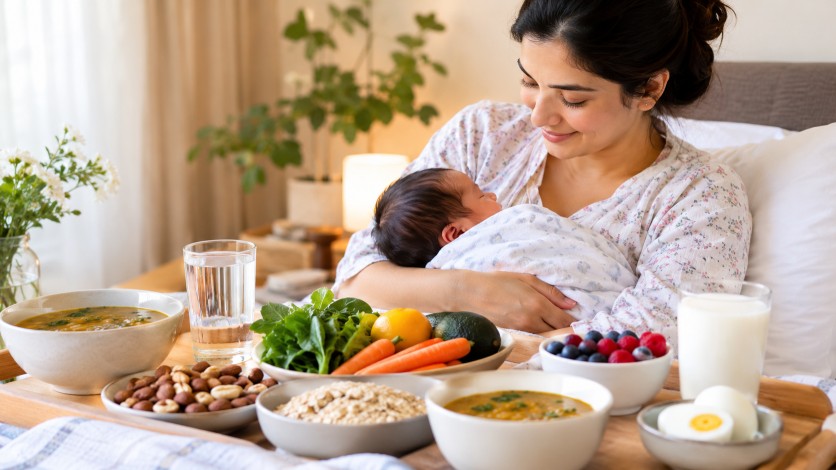
After childbirth, a mother’s body requires rest and proper nutrition to recover effectively. While the focus often shifts to caring for the newborn, it is crucial for new mothers to prioritize their own health and nutrition to replenish nutrients, support tissue repair, and maintain energy levels. A balanced diet is essential in meeting the increased demands of breastfeeding and aiding postpartum recovery.
Recovery time after childbirth varies for each woman, influenced by the type of delivery, blood loss, any existing health conditions, and complications that may have occurred. Some women regain strength within a few weeks, while others may require several months to fully recover. During this period, embracing rest and adequate food intake over rapid weight loss can support gradual recovery. Any persistent pain, extreme fatigue, or concerning symptoms should prompt a consultation with a healthcare professional.
Nutrition plays a critical role in postpartum recovery. Blood loss during delivery can deplete iron levels, while the healing process and breastfeeding increase nutritional requirements. A varied diet rich in protein, vitamins, minerals, and fluids is necessary to support a mother’s recovery and sustain her energy throughout the day. Reliance on packaged snacks can hinder meeting these needs.
Incorporating specific foods into the diet can aid recovery. Iron-rich foods such as lentils, beans, leafy greens, eggs, and meat help produce healthy red blood cells. Protein sources like chickpeas, eggs, fish, and tofu support tissue repair and muscle strength. Calcium and vitamin D are vital for bone health, with dairy products and fish being good sources. Fruits and vegetables supply essential vitamins and fiber, preventing common postpartum issues like constipation. Whole grains provide energy and fiber, while healthy fats from nuts, seeds, and fish are important for overall health.
Staying hydrated is equally important, especially for breastfeeding mothers. Water, milk, and soups contribute to daily fluid intake. While it’s crucial to drink regularly, responding to thirst is generally sufficient without forcing excessive fluid consumption.
Preparing meals in advance and having nutritious snacks readily available can help new mothers manage their dietary needs amidst a busy schedule. Families can assist by sharing household responsibilities, allowing the mother time to eat and rest. The postpartum period is a time for healing, emphasizing adequate nourishment, rest, and emotional support over the pressure to quickly return to pre-pregnancy body shape. By focusing on balanced meals and seeking professional advice when necessary, mothers can better support their health and adjust to the demands of motherhood.