
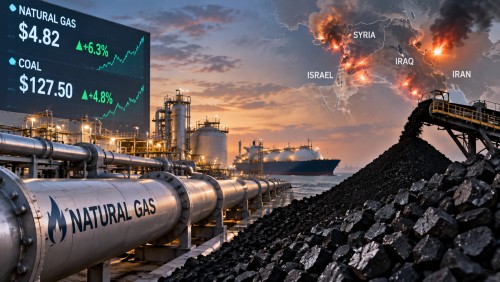
The ongoing conflict in the Middle East is exerting pressure on global energy markets, extending its impact beyond oil to natural gas and coal, according to Malaysia’s Economy Minister Akmal Nasrullah Mohd Nasir. This development is contributing to rising electricity generation costs as the prices of these fuels climb.
Initially, disruptions in global energy supplies primarily affected petrol prices. However, Akmal noted that the repercussions on natural gas and coal prices have emerged more gradually. Typically, natural gas prices react several months after significant oil price movements, illustrating the delayed impact on the broader energy sector.
Natural gas and coal play a crucial role in electricity generation, meaning that their increased costs could lead to higher energy prices. In Malaysia, households that consume more than 600kWh per month are particularly vulnerable to these fluctuations due to the country’s current electricity tariff structure. Meanwhile, most households using less than 600kWh per month remain buffered from direct changes in fuel costs, although their total electricity bills can still rise if consumption increases.
The Economy Minister also highlighted that environmental factors such as hotter weather and haze conditions could contribute to higher household electricity use, as people tend to spend more time indoors and rely on cooling appliances. This increase in consumption could further strain household budgets.
In response to these challenges, the Malaysian government is exploring measures to alleviate the burden of rising electricity costs on households. Authorities are closely monitoring global energy market developments to devise effective strategies that mitigate the impact on consumers.