
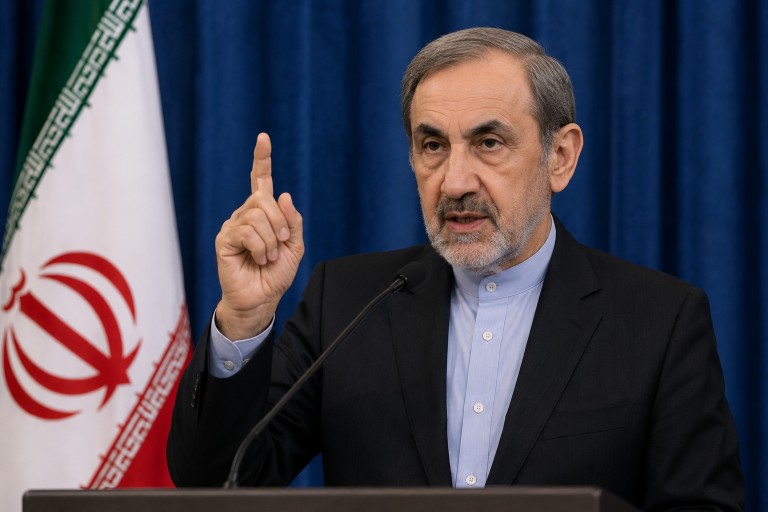
Iran has issued a stern warning to the United States following President Donald Trump’s assertion that an interim agreement intended to mitigate tensions between the two nations has been nullified. Ali Akbar Velayati, a senior adviser to Iran’s supreme leader, accused the U.S. of escalating hostilities in the Gulf region. He emphasized that Trump’s declaration had reversed progress towards peace, pushing the area closer to conflict once more, and warned that Iran was poised to respond swiftly to any further military provocations.
Velayati declared that Iran was ready to defend itself, stating that the nation had its “finger on the trigger” and would not stand by silently in the face of what he described as threats and provocations. This warning came after Trump’s remarks at the NATO summit, where he announced that he no longer regarded the ceasefire agreement as valid. This decision followed Iran’s recent attacks on U.S. military bases located in Bahrain and Kuwait, which had been in retaliation to U.S. strikes on Iranian targets after assaults on commercial vessels in the Strait of Hormuz.
The U.S. President also cautioned that additional military action against Iran remained on the table. He indicated that American forces were prepared to conduct further strikes should Tehran persist with its aggressive actions. Trump even suggested that significant Iranian infrastructure, such as Kharg Island, might be targeted in future military operations.
This renewed exchange of threats has further diminished hopes for restoring the ceasefire, amplifying concerns about a potential expansion of conflict in the Gulf region. The ongoing tensions continue to pose risks to regional security and have the potential to disrupt global energy markets. As both nations remain entrenched in their positions, the situation underscores the fragility of peace efforts and the volatility that defines the current geopolitical landscape in the Gulf.