

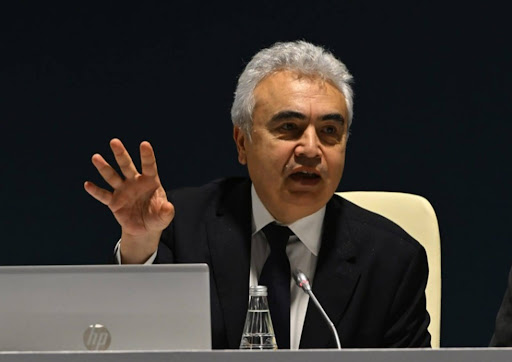
The world is facing an energy crisis without historical parallel, according to the head of the International Energy Agency, Fatih Birol. Speaking in Canberra during a visit to Australia, he described the combined energy losses from the Iran war as exceeding those of any previous crisis in modern times. His comments have amplified fears among governments and energy markets about the months ahead.
Birol noted that while the 1973 and 1979 oil shocks together cost global markets around 5 million barrels of oil per day, the current crisis has already removed 11 million barrels daily. The gas losses are equally alarming: 140 billion cubic metres have been pulled from international supply, compared to 75 billion cubic metres during the Ukraine conflict. This effectively means the world is simultaneously enduring the equivalent of two oil crises and a major gas emergency.
The IEA took decisive action by authorizing the largest emergency oil release in its history, deploying 400 million barrels from strategic reserves held by member nations. Birol also recommended governments implement demand-side measures such as work-from-home policies, lower motorway speed limits, and reduced commercial air travel. These steps were designed to buy time while diplomatic and military solutions are sought.
The Strait of Hormuz, through which about a fifth of the world’s oil passes, has been effectively closed following strikes on tankers navigating the waterway. This has caused severe supply disruptions across Asia, Europe, and beyond, with diesel and jet fuel availability already tightening in European markets. Canada and Mexico have been identified as potential alternative sources to partially offset losses from the Gulf.
The IEA chief held meetings with Australian Prime Minister Anthony Albanese as part of a broader tour of Asia-Pacific nations. Birol said the agency was in active discussions with leaders across three continents about a possible second wave of strategic reserve releases. He was unequivocal that without reopening the Hormuz strait, the world economy faced a deepening and potentially prolonged energy emergency.
